How to Import Earbuds from China: A Practitioner’s Guide to Getting It Right
If you’ve been in the consumer electronics sourcing game long enough, you know that importing earbuds from China is one of those trades that looks deceptively simple from the outside — and humbles you fast once you’re in it.
I’ve spent years working with factories across Shenzhen, Dongguan, and Guangzhou, placing orders for everything from budget wired earbuds to true wireless stereo (TWS) models with active noise cancellation. Here’s what I wish someone had told me when I started.
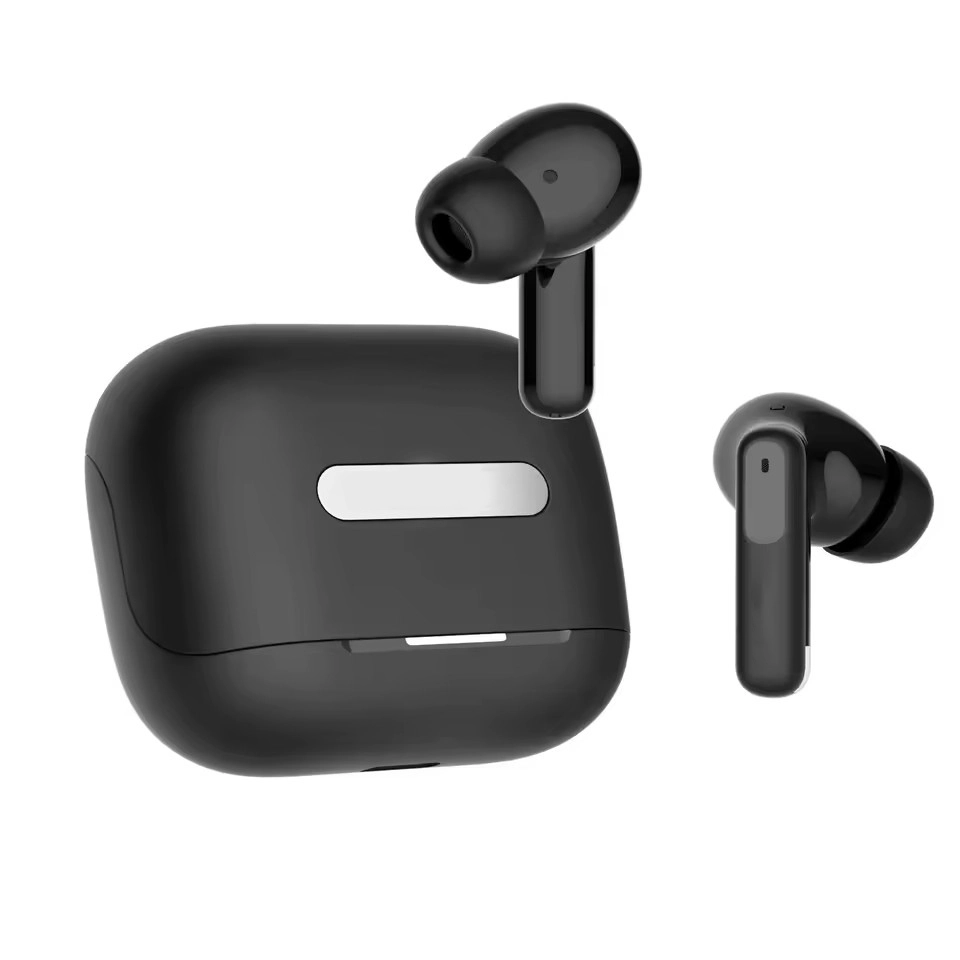
Why China Is Still the Default for Earbud Sourcing
Let’s be honest — there’s a reason nearly every major audio brand, whether they advertise it or not, traces some portion of their supply chain back to China. The manufacturing infrastructure is simply unmatched. The component ecosystem — drivers, PCBs, Bluetooth chips, battery cells, injection-molded housings — is all within a 200-kilometer radius in the Pearl River Delta. That density keeps lead times short and unit economics tight.
When clients ask me whether they should consider Vietnam or India as alternatives, my honest answer is: maybe eventually, but not yet. For earbuds specifically, China still holds the knowledge depth, the tooling capacity, and the supplier relationships that matter.
Step 1: Get Specific About What You’re Buying
The single biggest mistake first-timers make when they decide to import earbuds from China is treating “earbuds” as a single product category. It isn’t.
There are wired earbuds, TWS earbuds, bone conduction earbuds, sports models with ear hooks, gaming earbuds with low-latency modes, and everything in between. Each has a different factory profile, different certification requirements, and different minimum order quantities.
Before you contact a single supplier, nail down your product spec:
- Driver type and size — dynamic, balanced armature, or planar?
- Connectivity — Bluetooth version matters (5.0 vs 5.3 affects latency and power consumption)
- Battery life and charging case specs
- IP rating — are you selling into a market where sweat resistance is a selling point?
- Target retail price — work backwards from this to determine what your FOB cost ceiling is
Without a clear spec sheet, you’ll waste weeks getting quotes that aren’t comparable to each other.
Step 2: Find the Right Factory, Not Just Any Factory
Alibaba is a starting point, not an endpoint. The listings you see there are often trading companies, not manufacturers — and there’s nothing inherently wrong with that, but you need to know who you’re actually dealing with.
When I vet a new factory for a client, I look for:
- On-site visit or verified third-party audit — non-negotiable for any order over $30K
- Certificaciones existentes — FCC and CE for the markets you’re targeting; some factories have these ready, others will need to obtain them, which adds cost and time
- Their current customer list — a factory that supplies recognizable brands has already been through quality audits you’d otherwise have to conduct yourself
- Production line ownership — do they own their SMT lines, or are they assembling with outsourced PCBs?
The factories that are worth working with are usually not the ones with the flashiest Alibaba storefronts. They’re the ones with modest listings but solid audit reports.
Step 3: Samples Before Everything
Never skip sampling, even when a factory is highly recommended and your timeline is tight. I’ve seen orders go sideways because the production batch used a different Bluetooth chip than the sample — a swap that saved the factory $0.40 per unit and cost the importer an entire container of non-compliant product.
Request at minimum:
- Initial samples from existing molds (to evaluate sound quality and build)
- Pre-production samples (PP samples) once your custom tooling or artwork is confirmed
- Production samples pulled from the actual production run before shipment
Yes, this takes time. But when you’re importing earbuds from China at scale, a quality escape at the factory costs a fraction of what a quality escape in your customer’s hands will cost you.
Step 4: Certifications and Compliance Are Not Optional
This is where a lot of importers get burned. Earbuds fall under radio frequency (RF) device regulations in most markets, which means you need proper certification before you can legally sell them.
- EE.UU: FCC Part 15 certification is required for any Bluetooth device
- EU: CE marking under the Radio Equipment Directive (RED)
- UK post-Brexit: UKCA marking
- Australia: RCM mark
Some factories will hand you a certificate that was issued for a different model or SKU — this is more common than it should be. Always verify that the FCC ID on the certificate matches the actual device, and cross-reference it on the FCC’s public database.
Budget for certification costs from the start. Depending on the lab and the number of markets you’re targeting, you’re looking at $3,000–$10,000+ in testing fees.
Step 5: Understand Your Landed Cost Before You Commit
FOB Shenzhen is not your real cost. When you import earbuds from China, your actual landed cost includes:
- Ocean or air freight
- Customs duties (in the US, earbuds typically fall under HTS 8518.10 or 8518.30, each with different duty rates — check current rates given ongoing tariff adjustments)
- Customs broker fees
- Drayage and last-mile delivery
- Amazon FBA fees or 3PL storage costs if applicable
I’ve watched importers build a business plan around a $4.50 FOB cost and then panic when their true landed cost came out to $7.80. Model the full cost stack before you place the order.
The Honest Reality
Importing earbuds from China is a legitimate, profitable business — but it rewards preparation and punishes shortcuts. The importers who do well are not necessarily the ones with the biggest budgets. They’re the ones who ask the right questions early, build real relationships with factory contacts, and stay on top of regulatory requirements.
If you’re just starting out, start small, learn the process on a manageable order, and scale once you’ve validated your supplier and your market. The opportunity is real. So is the complexity.