Finding the Right Open Ear True Wireless Earbuds Supplier: What I’ve Learned After Years in the Industry
If you’ve been watching the audio accessories market, you already know that open ear true wireless earbuds have gone from a niche curiosity to one of the fastest-growing product categories in consumer electronics. I’ve spent the better part of a decade sourcing and developing wireless audio products, and the shift toward open-ear designs has been one of the more dramatic pivots I’ve witnessed firsthand.
So let me share some hard-won perspective on what actually matters when you’re hunting for a reliable open ear true wireless earbuds supplier — because the decision is a lot more nuanced than most buyers realize going in.
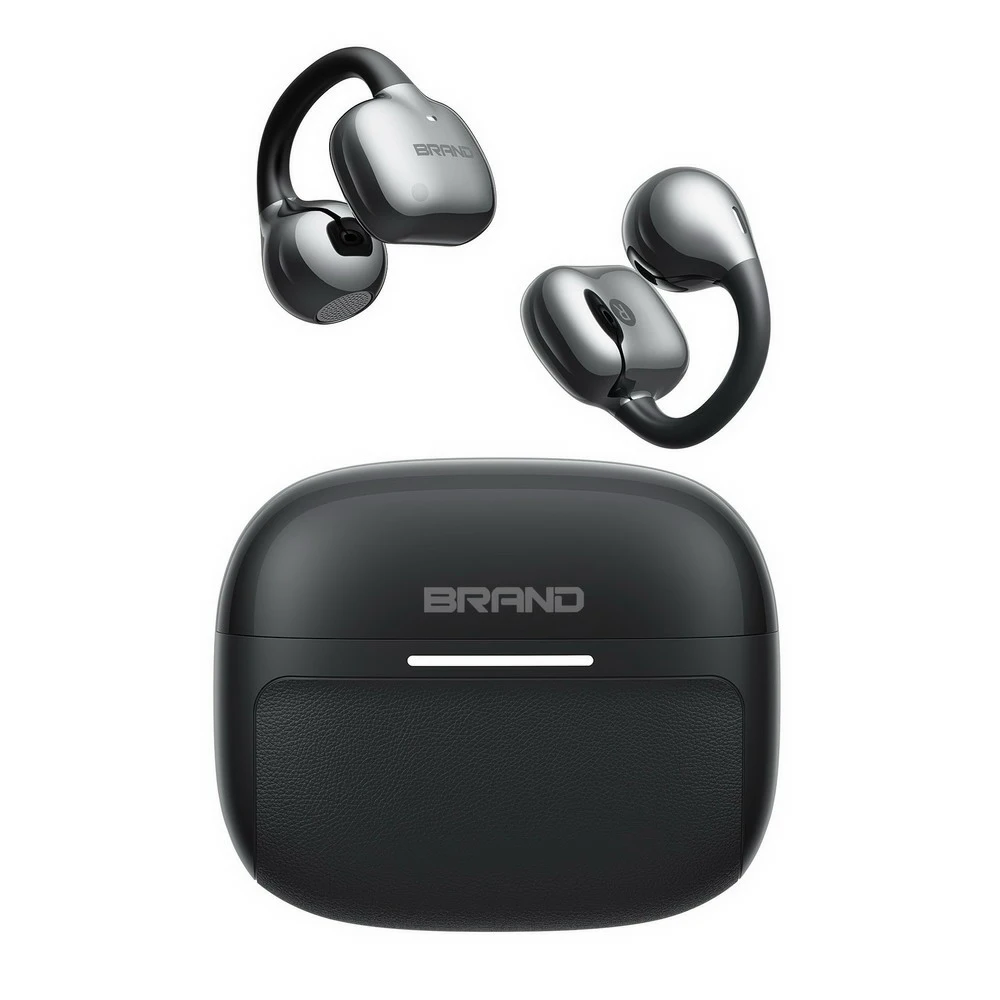
Why Open Ear Is Having Its Moment
Before we get into sourcing, it’s worth understanding why this category is exploding. Open ear earbuds — whether clip-on, bone conduction, or air conduction designs — solve a real problem that traditional in-ear buds never could: situational awareness. Runners don’t want to be cut off from traffic. Office workers on long calls don’t want the isolation fatigue. Parents need to hear their kids.
The TWS (true wireless) form factor layered on top of this? That just removes the last friction point. No wire to the phone, no wire between ears. The product essentially sells itself once a customer understands it.
That demand pressure is exactly why so many factories have poured into this space — and why finding the right open ear true wireless earbuds supplier has become simultaneously easier (more options) and harder (more noise to cut through).
What Separates a Real Supplier from a Trading Company
This is the first thing I drill into any new colleague joining our sourcing team: know who you’re actually talking to.
A huge chunk of the suppliers you’ll find on B2B platforms are trading companies — middlemen who don’t own a single machine. That’s not automatically a dealbreaker, but you need to know, because it affects your pricing floor, your ability to customize, your lead times, and critically, your leverage when something goes wrong.
When I’m vetting a potential open ear TWS supplier, I look for:
Direct manufacturing evidence. Ask for a factory audit, or better yet, book a visit. Legitimate manufacturers will have a production floor, SMT lines, and an anechoic chamber or at least basic acoustic testing rigs. Trading companies will stall, redirect, or offer you a “partner factory” story.
In-house acoustic R&D. Open ear audio is technically tricky. The acoustic tuning required for an open design — getting acceptable bass response without the seal of an in-ear tip, managing wind noise, avoiding feedback — demands real engineering capability. I’ve seen factories that can assemble a board perfectly but have no idea how to tune a driver. The result sounds like you’re listening through a cardboard tube.
Certifications they actually own. FCC, CE, RoHS — these aren’t optional if you’re selling in the US or EU, and I’ve been burned once early in my career taking a supplier’s word that “certification is no problem.” Get the actual cert documents, verify the FCC ID on the database, and confirm the listed grantee matches who you’re dealing with.
The Customization Conversation
Most buyers come in asking about price. The more experienced ones ask about MOQ. The best ones ask about customization depth — because that’s where you separate a product that gets lost on Amazon from one that builds a brand.
When I’m talking to a prospective open ear true wireless earbuds supplier about customization, I’m thinking in layers:
- Cosmetic customization: logo, color, packaging. Every supplier can do this. Table stakes.
- Firmware customization: EQ presets, touch control mapping, connection behavior, app integration. This requires the supplier to own or have access to the chipset SDK. Ask which chipset platform they’re running (Qualcomm, Airoha, BES, JL are common) and whether they can give you access to firmware parameters.
- Hardware-level customization: driver selection, ear hook geometry, charging case design. This is where you need a genuine ODM or OEM partner, not a catalog product reseller with a sticker.
The open ear form factor adds another dimension here: fit. The clip or hook mechanism is deeply personal — what stays on one person’s ear falls off another’s. Suppliers who’ve invested in multiple fit geometries, and who can share wear-test data across different head sizes, are worth paying attention to.
Red Flags I’ve Learned to Spot Quickly
After enough supplier meetings, you develop pattern recognition. A few things that make me pump the brakes:
Samples that don’t match production. Some factories keep a “hero sample” room of hand-tuned, carefully selected units that bear little resemblance to what rolls off the line at scale. Always request production-run samples if possible, or at minimum, multiple units from different batches.
Vague answers about battery life methodology. Claimed battery life numbers in this category are all over the place, and some suppliers are more optimistic than others. Ask how they measure it — playback volume, codec used, ambient temperature. A supplier who can give you precise test conditions is usually one whose numbers you can trust.
No quality control documentation. What’s their outgoing QC process? What’s the accepted defect rate? What happens if a shipment comes in above that threshold? If they look at you blankly, that’s information.
Pressure to skip samples and go straight to a large order. Always a bad sign.
Building a Relationship, Not Just a Transaction
Here’s something the sourcing guides don’t always say plainly: the best supplier relationships I have were built on patience and communication, not on squeezing the lowest price at every negotiation.
A good open ear true wireless earbuds supplier that genuinely wants your business long-term will flag component shortages before they become your problem, will push back when your design spec has a manufacturing issue, and will give you honest lead time estimates instead of the ones you want to hear.
That kind of working relationship takes time to develop — but it’s also what lets you move faster when the market shifts, which in this category, it will.
The open ear TWS space is still early enough that product differentiation is very much possible. The suppliers who will help you build something worth selling are out there. They’re just worth being selective about finding.