If you’re planning to import, distribute, or launch your own earbuds brand, understanding compliance requirements is critical. Many new sellers focus on product design and pricing—but overlook certifications until customs issues, platform restrictions, or legal problems appear.
In this guide, we’ll explain the certifications required for selling Bluetooth earbuds, why they matter, and how to ensure your products meet international standards when working with a reliable TWS earbuds manufacturer or OEM earbuds supplier.
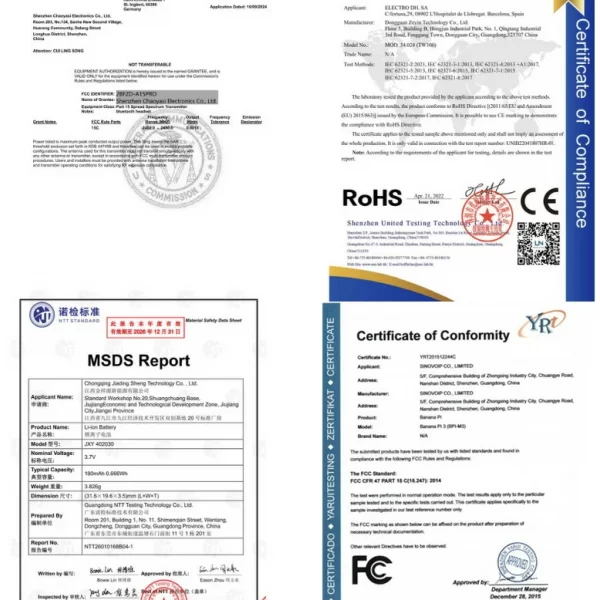
Why Certifications Matter
Bluetooth earbuds are electronic products that involve:
- Wireless communication
- Batteries
- Charging systems
- Consumer safety requirements
Without proper certifications, you may face:
- Customs clearance delays
- Product seizures
- Marketplace bans
- Legal penalties
- Customer trust issues
Certifications protect both your business and your customers.
1. FCC Certification (United States)
If you want to sell Bluetooth earbuds in the United States, Federal Communications Commission certification is typically required.
What It Covers:
- Wireless signal compliance
- Radio frequency regulations
- Electromagnetic interference
Bluetooth products must comply with FCC regulations because they transmit wireless signals.
Required For:
- Amazon US sellers
- Walmart Marketplace
- Retail distribution in the US
2. CE Certification (European Union)
For selling in Europe, CE marking is commonly required.
It confirms compliance with:
- Safety regulations
- Health requirements
- Environmental standards
Related Directives:
- RED (Radio Equipment Directive)
- EMC Directive
- RoHS compliance
Required for selling in countries like Germany, France, Spain, and other EU markets.
3. RoHS Certification
RoHS ensures your earbuds do not contain harmful materials.
It restricts substances like:
- Lead
- Mercury
- Cadmium
This certification is often required in Europe and many global markets.
4. UKCA Certification (United Kingdom)
If you sell in the United Kingdom, you may need UKCA certification.
This became increasingly important after Brexit.
5. Battery Certifications (UN38.3 / MSDS)
Since Bluetooth earbuds contain lithium batteries, battery transportation compliance is very important.
UN38.3
Ensures batteries are safe for shipping.
MSDS
Provides chemical safety information.
These are especially important for air shipping.
6. Bluetooth SIG Qualification
If your product uses Bluetooth technology, you may need licensing from Bluetooth Special Interest Group.
This ensures legal use of Bluetooth trademarks and technology.
7. REACH Compliance
For Europe, REACH may also be required.
It regulates chemical substances used in products.
8. Proposition 65 (California)
If selling in California, you may need to comply with California Proposition 65 warning requirements.
This depends on materials used in your product.
Certifications Required by Major Marketplaces
Amazon
May request:
- FCC
- CE
- Battery documents
Walmart
Often requires compliance documentation.
Shopify
Generally less strict, but legal compliance still matters.
Who Usually Handles Certifications?
A professional TWS earbuds manufacturer often already has:
- Existing certifications
- Test reports
- Compliance documentation
This can save buyers time and money.
👉 Always ask your supplier before placing orders.
Questions You Should Ask Your Supplier
Before buying:
- Do you have FCC certificates?
- Can you provide CE reports?
- Do you have battery shipping documents?
- Are certifications valid and updated?
A reliable OEM earbuds supplier should provide clear answers.
Common Mistakes to Avoid
❌ Assuming certifications are optional
❌ Using fake certificates
❌ Ignoring battery shipping requirements
❌ Not checking marketplace rules
Final Thoughts
Understanding the certifications required for selling Bluetooth earbuds can help you avoid costly mistakes.
The most common certifications include:
✅ FCC
✅ CE
✅ RoHS
✅ Battery certifications
✅ Bluetooth licensing
Working with a reliable TWS earbuds manufacturer ensures your products are compliant and ready for global markets.