True Wireless Stereo (TWS) earbuds have become one of the fastest-growing segments in consumer electronics. From budget models to premium ANC earbuds, every product on the market goes through a highly structured manufacturing process. Understanding this process is especially important for brands, importers, and wholesalers who want to ensure product quality, consistency, and scalability.
In this guide, we’ll walk through the complete TWS earbuds manufacturing process—from concept to final shipment.
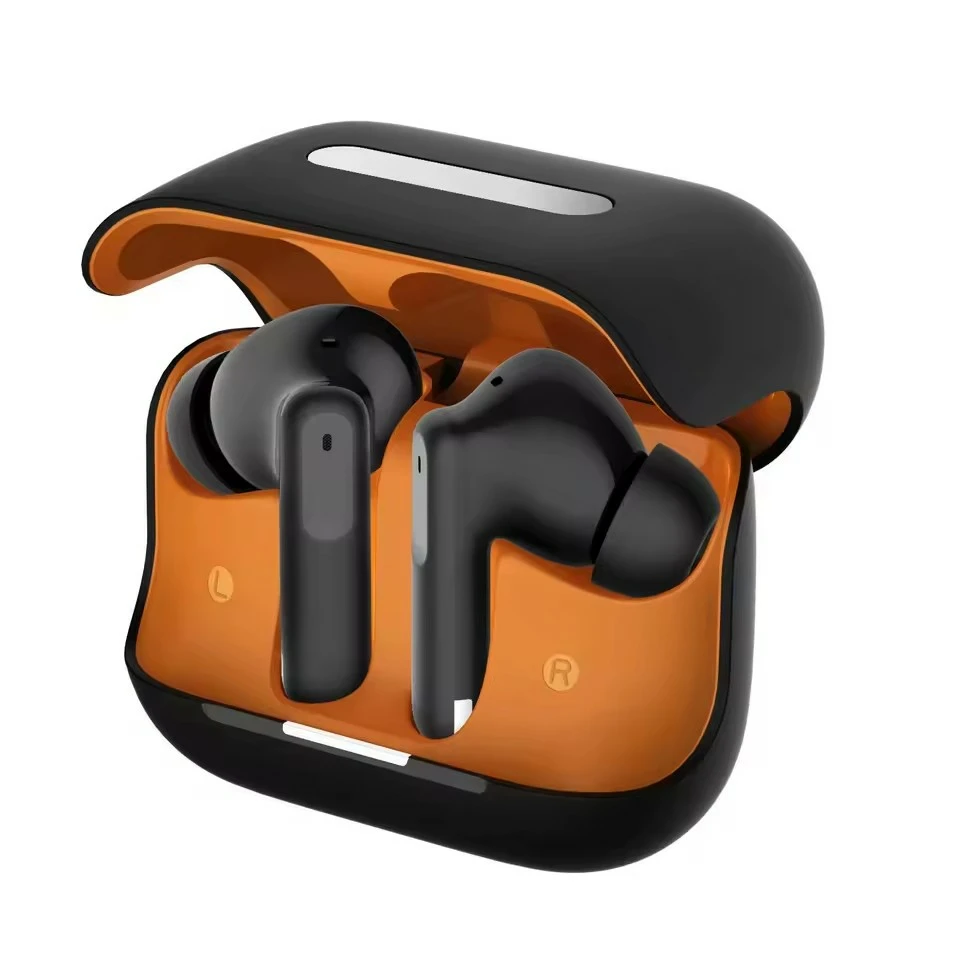
1. Product Design & Engineering
The manufacturing process begins with product definition. This stage determines how competitive your earbuds will be in the market.
Key steps include:
- Industrial Design (ID): Shape, size, and ergonomic comfort
- Mechanical Design (MD): Internal structure and component layout
- Electronic Design (EE): Circuit schematics and PCB layout
- Acoustic Tuning: Sound quality calibration
At this stage, brands decide:
- Bluetooth version (e.g., 5.3 / 5.4)
- Features (ANC, ENC, touch control, gaming mode)
- Battery capacity and charging case design
A prototype is then created using CNC machining or 3D printing.
2. Tooling & Mold Development
Once the design is finalized, manufacturers create molds for mass production.
Why this matters:
- Mold precision directly affects product consistency
- Poor molds lead to gaps, loose fittings, and cosmetic defects
Main tooling components:
- Earbud shell molds
- Charging case molds
- Button and internal structure molds
High-quality molds are usually made from hardened steel and can last for hundreds of thousands of production cycles.
3. PCB Assembly (SMT Process)
The Printed Circuit Board Assembly (PCBA) is the core of TWS earbuds.
SMT (Surface Mount Technology) process includes:
- Solder paste printing
- Component placement (chips, resistors, capacitors)
- Reflow soldering
- AOI (Automated Optical Inspection)
Key components mounted on the PCB:
- Bluetooth chipset
- Power management IC
- Microphone modules
- Memory and sensors
A stable PCB ensures connectivity, battery efficiency, and overall performance.
4. Component Preparation
Before final assembly, all components are prepared and tested individually.
Main components include:
- Speaker drivers (6mm–13mm)
- Lithium batteries
- Microphones (for ANC/ENC)
- Touch panels or physical buttons
- Charging pins and connectors
Each component must pass quality checks to reduce defect rates later in production.
5. Earbud Assembly
This is where the product starts to take shape.
Typical assembly steps:
- Install PCB into the shell
- Solder battery connections
- Attach speaker driver
- Install microphones
- Seal the housing (ultrasonic welding or glue)
For noise canceling earbuds, additional steps include:
- Feedforward and feedback microphone alignment
- Noise cancellation calibration
6. Charging Case Assembly
The charging case is assembled separately but follows a similar process.
Steps include:
- PCB installation
- Battery integration
- Hinge and magnetic structure assembly
- USB-C or Lightning port installation
The case must ensure stable charging and durability over repeated use.
7. Firmware Programming & Pairing
Once hardware assembly is complete, firmware is installed.
This stage includes:
- Flashing firmware onto the chipset
- Pairing left and right earbuds
- Function testing (touch, ANC, connectivity)
Manufacturers may customize firmware based on brand requirements, such as:
- Voice prompts
- App integration
- EQ tuning
8. Testing & Quality Control
Quality control is one of the most critical stages in TWS manufacturing.
Common tests include:
- Audio testing (frequency response, distortion)
- Bluetooth connectivity test
- Battery charging/discharging test
- Drop test and durability test
- Waterproof testing (IPX4–IPX7)
Factories often follow standards set by organizations like the International Organization for Standardization to maintain consistent quality.
9. Aging Test (Burn-in)
Before packaging, earbuds undergo an aging test.
What happens here:
- Devices run continuously for 24–72 hours
- Helps identify early failures
- Ensures stability of electronics and battery
This step significantly reduces return rates.
10. Packaging & Branding
After passing all tests, products move to packaging.
Customization options include:
- Logo printing (earbuds & case)
- Custom packaging boxes
- User manuals and inserts
- Barcode and labeling
This is especially important for OEM/ODM and private label clients.
11. Final Inspection & Shipment
Before shipment, a final inspection is conducted.
Checklist:
- Product appearance
- Functionality
- Packaging accuracy
- Quantity verification
Products are then packed into cartons and prepared for international shipping.
Conclusion
The TWS earbuds manufacturing process is a complex combination of engineering, precision manufacturing, and strict quality control. Every step—from design to final inspection—directly impacts product performance and brand reputation.
For businesses looking to enter the earbuds market, understanding this process helps you:
- Choose the right manufacturer
- Control product quality
- Reduce defects and returns
- Build a competitive brand
If you’re planning to launch your own TWS earbuds line, working closely with an experienced factory and maintaining clear communication at each stage is key to success.